
 Curtain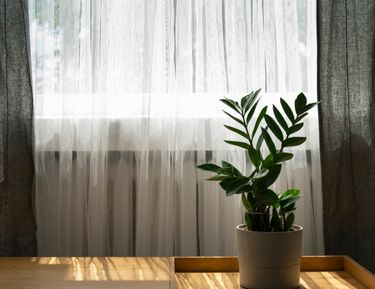
A Comprehensive Guide to Choosing Roller Shade Fabrics
Choosing the right shade fabric for your home can feel overwhelming—especially when every room has different lighting needs, privacy considerations, and décor styles. With options ranging from blackout materials to light-filtering weaves, plus the rising popularity of custom blinds and no drill roller blinds, homeowners today have more choices than ever.
This guide breaks everything down in a clear, practical way, helping you confidently select the perfect shade fabric for every space.
Why Choosing the Right Shade Fabric Matters
Window coverings don’t just control light; they shape your entire environment. The wrong fabric can leave your room too bright, too dim, too warm, or lacking privacy. The right one, however, supports comfort, energy efficiency, and the overall look you’re trying to achieve.
Whether you're upgrading an office, bedroom, or living room, understanding shade materials is the foundation of choosing roller blinds that truly work for you.
Understanding Different Types of Roller Shade Fabrics
Light-Filtering Shade Fabrics
Light-filtering shade fabric is ideal if you want gentle illumination without harsh glare. These fabrics soften sunlight, protect furniture from UV damage, and maintain a warm, inviting atmosphere. They’re often used in living rooms, kitchens, and home offices.
Blackout Shade Fabrics
Bedrooms, media rooms, and nurseries benefit from blackout shade fabric. Designed to block 98–100% of incoming light, these fabrics enhance sleep quality and reduce outside noise. Many homeowners pair blackout fabrics with custom blinds to ensure a perfect fit that seals light gaps.
Sheer Shade Fabrics
If you’re aiming for a breezy, modern aesthetic, sheer shade fabric brings in abundant natural light while maintaining a soft layer of visual protection. Because sheer fabrics are more decorative, many people combine them with secondary privacy layers.
Thermal and Energy-Efficient Fabrics
Thermal shade fabric includes insulating layers to help regulate indoor temperatures. These fabrics are excellent for homes in hot climates or places with high seasonal temperature swings. Energy-efficient roller blinds can minimize heat gain in summer and heat loss in winter, lowering utility costs.
Factors to Consider When Choosing the Best Shade Fabric
1. Light Control
Ask yourself: How much light should this room receive throughout the day?
For example:
- Morning sun can be harsh in east-facing bedrooms.
- South-facing windows receive bright light most of the day.
- North-facing rooms generally need more illumination.
Matching the shade fabric to the room’s natural light ensures balance and comfort.
2. Privacy Requirements
If this concern resonates with you, choose high-opacity fabrics or layered solutions. For full nighttime privacy, blackout or densely-woven light-filtering fabrics are your safest options.
3. Style and Design
Texture, color, and finish all influence the final look of your roller blinds. Linen-style weaves, for example, introduce natural warmth, while minimalist solid fabrics offer a sleek, contemporary feel.
4. Durability and Maintenance
If your space experiences heavy use—like kitchens, patios, or children’s rooms—opt for stain-resistant shade fabrics that are easy to clean. Polyester blends and woven synthetics are especially low-maintenance.
5. Installation Type (Traditional vs. No-Drill Options)
More homeowners now prefer no drill roller blinds, especially renters or anyone avoiding wall damage. These blinds use tension mechanisms or adhesive brackets to secure the blinds in place without tools. No drill roller blinds paired with durable shade fabric offer a simple and stylish solution for fast installation.
Custom Blinds vs. Ready-Made: Which Is Right for You?
Benefits of Custom Blinds
Custom blinds allow you to specify:
- precise measurements
- fabric opacity
- color and pattern
- mechanism type
- installation style
Choosing custom blinds ensures your shade fabric fits perfectly, especially for oversized, unusually shaped, or floor-to-ceiling windows.
When Ready-Made Works
Ready-made blinds are more budget-friendly and quicker to install. They work best with standard window sizes and simple fabric needs. If you're looking for a flexible upgrade—especially for rentals—no drill roller blinds are an excellent ready-made choice.
How Different Shade Fabrics Impact Energy Efficiency
Solar Shade Fabrics
Solar shade fabric is designed to reduce glare and heat while preserving outward views. The openness factor—ranging from 1% to 10%—determines how much you can see outside and how much heat enters the room.
Blackout Fabrics for Energy Control
Blackout materials not only block light but can also trap heat, helping regulate indoor temperature. Pairing blackout fabric with custom blinds enhances insulation by reducing side light gaps.
Choosing Shade Fabric Based on Room Type
Bedroom
- Best choice: blackout shade fabric
- Installation: no drill roller blinds if you prefer a clean look without hardware
- Benefit: better sleep quality, total privacy
Living Room
- Best choice: light-filtering or textured linen shade fabric
- Ideal for soft daylight, balanced privacy, and home décor enhancement
Kitchen
- Best choice: moisture-resistant synthetic fabrics
- Easy to clean and durable against humidity
Home Office
- Best choice: solar shade fabric
- Reduces screen glare while maintaining outdoor visibility
Trending Fabrics and Styles for Modern Roller Shades
Natural Linen Textures
Linen-style shade fabric is dominating modern design for its organic appearance and subtle depth. It pairs well with Scandinavian, minimalist, and warm neutral interiors.
Dual Shade Fabrics
These combine alternating sheer and solid panels for adjustable privacy and light control.
Eco-Friendly Fabrics
Recycled polyester and natural fiber blends are gaining popularity among homeowners who value sustainability.
How to Compare Shade Fabrics Before Buying
Request Fabric Swatches
A small swatch can reveal texture, thickness, color accuracy, and how the fabric behaves under natural light.
Test in Different Lighting Conditions
Place swatches near the window to see how they diffuse or block light throughout the day.
Check Opacity and UV Ratings
This helps you match the shade fabric to your privacy and light-control goals.
Common Questions About Shade Fabric
“Is blackout shade fabric better than light-filtering?”
Each serves different needs. Blackout is best for sleeping environments, while light-filtering works better in common areas.
“Can no drill roller blinds hold heavy fabrics?”
High-quality no drill roller blinds can handle most medium-weight fabrics, but thicker materials may require screwed brackets for long-term support.
“What shade fabric offers the best balance of privacy and natural light?”
Linen and woven light-filtering fabrics often strike the ideal balance, offering aesthetic warmth and a comfortable level of daytime privacy.
A Soft Recommendation: Persilux No Drill No Tools Linen Roller Shades
If you're looking for a refined, renter-friendly option that blends natural beauty with convenience, consider the Persilux No Drill No Tools Linen Roller Shades.
These shades feature:
- a textured linen-like shade fabric for an elevated look
- durable, wrinkle-resistant materials
- a true no drill roller blinds design ideal for apartments or homeowners avoiding wall damage.
Used sparingly but stylishly, they’re a great example of modern design meeting practical installation.
Conclusion
Evaluate how each room behaves throughout the day, consider the look you’re trying to create, and don’t hesitate to compare fabric samples before making your final decision. With thoughtful selection, the right shade fabric can transform your home—bringing warmth, efficiency, and timeless style to every window.
If you're looking for a reliable roller blind, consider visiting Persilux. Persilux's collection features many high-quality blinds; there's bound to be one that suits your needs.