
 Curtain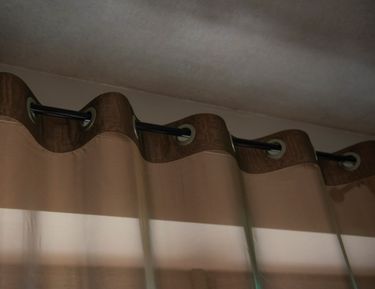
Can No-Drill Blind & Shade Rods Damage Walls?
The rise of no drill blind&shade systems has completely changed how people install window treatments—especially renters, apartment dwellers, and anyone who wants a clean setup without drilling. But a common question remains: “Can no-drill blind&shade rods damage walls?” This guide digs deep into how these systems work, whether they pose risks, and whether no drill no tools window treatments are truly safe for your home. Along the way, we’ll explore installation techniques, compare them with traditional roller shade mounts, and help you select the safest possible option.
Understanding No-Drill Blind & Shade Systems
Modern no drill blind&shade solutions use innovative brackets designed to eliminate screws, drills, and wall anchors. Instead of hardware, they rely on high-strength adhesive, tension rods, or locking mechanisms.
How No-Drill Mechanisms Work
Most no-drill installations fall into three categories:
1. Adhesive Bracket Systems
These are the most popular no drill no tools solutions. Adhesives hold brackets in place, supporting various shades—including blackout shades or a lightweight roller shade.
2. Tension Rod Systems
Tension rods expand between the window frame using pressure. They're easy to install but are usually meant for lightweight curtains, not heavier shades.
3. Clip-On or Frame-Lock Systems
These latch onto the window frame and are commonly used in European-style tilt-and-turn windows.
Do No-Drill Blind & Shade Rods Damage Walls?
Now to the big question: Can a no drill blind&shade rod actually damage your wall or window frame? The short answer: Generally no—if installed correctly and made with high-quality materials. However, like any home improvement product, improper installation or low-quality materials can lead to a few issues.
Potential Risks (and How to Avoid Them)
1. Adhesive Residue
Low-quality adhesive brackets may leave residue when removed.
Solution: Choose a reputable brand using removable, lab-tested adhesives. Proper removal techniques (slow peeling, heat application) help avoid residue.
2. Paint Peeling
This occurs if adhesives are pulled too quickly when removing the blind.
Solution: Choose a no drill blind&shade bracket designed for painted drywall or window frames. Follow all removal instructions.
3. Weight Overload
Installing a heavy shade on a lightweight adhesive bracket may cause the shade to fall.
Solution: Verify weight capacity. Premium brands design no drill no tools shades for both light-filtering and blackout roller shade fabrics.
4. Tension Rod Slippage
Tension rods can slip if the pressure is not adequate, leaving minor scuff marks.
Solution: Ensure secure tightening or choose adhesive systems instead for a more stable mount.
Are No-Drill Blind & Shade Rods Safe for Renters?
Absolutely. This is actually why no drill blind&shade options became so popular. Renters love them because:
- They avoid permanent wall damage
- They are fully removable
- They provide an effortless no drill no tools installation
- Landlords generally approve them as they are non-invasive
- They support modern window styles, including roller shade solutions
If you’re trying to prevent deductions from your rental deposit, switching to no-drill systems is one of the safest choices.
Comparing No-Drill Systems with Traditional Roller Shade Installations
Traditional roller shade installations involve drilling into the wall or window frame, which guarantees stability but also leaves holes when removed.
Traditional Drilled Mounts
Pros:
- Extremely sturdy
- Supports heavy fabrics
Cons:
- Permanent holes
- Not renter-friendly
- Requires tools
No Drill Blind & Shade Systems
Pros:
- No drill no tools required
- Quick installation in minutes
- Won’t leave holes
- Renter-approved
Cons:
- Only high-quality versions support heavy shades
- Cheap adhesives may fail or leave residue
In most modern homes, the no drill blind&shade option is more practical unless the window treatment is extremely heavy.
How to Choose the Right No-Drill Blind & Shade Rod
Choosing the best model depends on your window type, wall material, and shade preferences.
Key Factors to Consider
1. Wall or Window Frame Material
- Painted drywall: use gentle adhesive brackets
- PVC or metal frames: adhesive is ideal
- Textured walls: tension rods may work better
2. Weight of the Shade
Blackout and thermal fabrics weigh more than a standard light-filtering roller shade. Make sure your adhesive brackets support the load.
3. Light Control Needs
- Bedroom: blackout no-drill roller shade
- Living room: light-filtering materials
- Office: glare reduction fabrics
4. Adhesive Quality
Always look for lab-tested adhesive brackets with high durability ratings—cheap knockoffs often fail early.
How to Prevent Wall Damage When Using No-Drill Blind & Shade Rods
1. Clean the Installation Surface
Dust or oils prevent the adhesive from fully bonding. Use alcohol wipes before installation.
2. Follow Weight Guidelines
Exceeding the recommended weight is the number-one cause of damage.
3. Remove the Blind Slowly
Gentle peeling avoids paint lift.
4. Choose a Reputable Brand
Brands that invest in engineering and adhesive technology offer the safest no drill no tools products.
Why Persilux Offers One of the Safest No-Drill Options
If you're considering a high-quality and safe no drill blind&shade option, Persilux’s No Drill No Tools Roller Shades are an excellent choice. Designed with lab-tested high-strength adhesive brackets, they attach in three simple steps and support both blackout and light-filtering fabrics.
Why This Product Stands Out
- Durable aluminum alloy track
- Cordless free-stop mechanism safe for children and pets
- Smooth, wrinkle-resistant fabric
- Reduced light leakage compared to generic brands
The Persilux solution represents the premium end of no drill no tools technology, ensuring long-term durability without compromising your walls or window frames.
Frequently Asked Questions About No-Drill Blind & Shade Rods
1. Will adhesive brackets damage paint?
Not if removed properly. High-quality adhesives are designed to be removable.
2. How long do no-drill adhesives last?
Premium brackets can last for years if installed on a clean, stable surface.
3. Can no-drill systems support blackout roller shades?
Yes—if the brand uses strong enough brackets. Persilux does.
4. Are no-drill blinds safe for children?
Cordless roller shade designs, especially the free-stop type, are safer than corded blinds.
5. Can I reuse adhesive brackets?
Most are not reusable, but some brands offer replaceable strips.
Conclusion: Are No-Drill Blind & Shade Rods Worth It?
If you’re looking for a safe, renter-friendly, and convenient window treatment solution, no drill blind&shade systems are absolutely worth it. When installed correctly using high-quality adhesive brackets, these shades provide stability, style, and performance without damaging walls. Whether you choose a light-filtering roller shade or a blackout version, modern no drill no tools technology ensures that you can enjoy privacy and comfort without the hassle of drilling.
For the safest experience, choose a reputable brand—such as the Persilux No Drill Shades—to ensure strong adhesion, long-term durability, and a clean, elegant look in any room. If you want convenience without wall damage, no-drill blinds and shades are one of the smartest home décor decisions you can make.