
 Curtain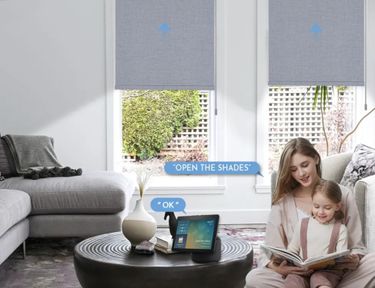
HomeKit Compatible Blinds: A Practical Guide for Apple Smart Homes
HomeKit compatible blinds are smart window coverings designed to work directly with Apple Home, allowing users to control shades through the Home app, Siri voice commands, automations, and Apple devices. In 2026, more homeowners are choosing HomeKit blinds because they offer easier smart home integration, local automation, and more reliable control compared to many older cloud-based systems.
As Apple expands support for Matter and Thread technologies, HomeKit compatible motorized blinds are becoming more stable, responsive, and easier to set up. Understanding how these systems work can help homeowners choose smarter long-term solutions for connected living spaces.
What Are HomeKit Compatible Blinds?
HomeKit compatible blinds are motorized window coverings designed to integrate with Apple Home. Once connected, users can control shades through iPhone, iPad, Apple Watch, HomePod, or Siri voice commands.
Unlike standard motorized blinds that may only use remote controls or brand-specific apps, smart blinds for Apple Home support centralized smart home automation. Users can create scenes, schedules, and multi-device routines directly inside the Apple Home ecosystem.
Many newer Apple Home blinds also support Matter compatibility, allowing easier communication between different smart home brands and platforms. This broader compatibility has become increasingly important as homeowners add more connected devices throughout the home.
According to Apple’s Home platform documentation, HomeKit-enabled accessories can operate within secure local automation environments, helping improve privacy and responsiveness compared to some cloud-dependent systems.
HomeKit, Apple Home, Matter, and Thread: What’s the Difference?
Many buyers confuse HomeKit, Apple Home, Matter, and Thread because these technologies often work together. However, each one serves a different purpose within a smart home system.
Understanding the Core Technologies
- Apple Home is Apple’s smart home management platform.
- HomeKit is the compatibility framework that allows devices to work with Apple Home.
- Matter is a universal smart home standard developed for cross-brand compatibility.
- Thread is a low-power networking protocol designed for fast local smart home communication.
Together, these technologies help HomeKit compatible motorized blinds communicate more reliably with Apple devices and other smart home accessories.
Matter over Thread is especially important in 2026 because it allows devices to communicate locally without depending heavily on cloud servers. This can improve automation speed and reduce delays during daily operation.
The Connectivity Standards Alliance has identified Matter as one of the most important interoperability standards for future smart home ecosystems.
How They Work in Apple Home
After installation, HomeKit blinds connect to Apple Home through QR pairing or Matter onboarding. Once added, users can manage blinds directly from the Home app.
Apple Home allows homeowners to automate smart blinds based on:
- Time of day
- Sunrise and sunset
- Occupancy status
- Temperature or lighting conditions
For example, Siri controlled blinds can automatically open in the morning and close during peak afternoon sunlight to reduce glare and indoor heat.
Because many modern systems use local communication protocols, automations can continue functioning even when internet connectivity becomes unstable.
Apple Home scenes also allow users to control multiple devices simultaneously. A “Movie Night” scene might dim lights, close blinds, and adjust room temperature with a single command.
What Do You Need to Set Up HomeKit Compatible Blinds?
Most Apple Home-enabled shades require several core components for proper setup. While installation complexity varies by product, the overall process has become more user-friendly in recent years.
Basic Setup Requirements
Most smart blinds for Apple Home typically require:
- A compatible iPhone or iPad
- The Apple Home app
- Wi-Fi or Thread network access
- A Home hub such as HomePod, Apple TV, or iPad
Some newer Matter-compatible systems may simplify setup because they reduce dependence on proprietary hubs or bridges.
Home hubs play an important role in enabling remote access and advanced automations. Without a hub, some functions may only operate locally within the home network.
Battery-powered HomeKit compatible motorized blinds are also becoming increasingly popular because they reduce installation complexity compared to hardwired systems.
HomeKit Compatible Blinds vs Regular Motorized Blinds
While both systems automate window coverings, there are major differences between standard motorized blinds and Apple Home-compatible smart blinds.
Regular motorized blinds often rely on remote controls or manufacturer-specific mobile apps. Some may not integrate smoothly with broader smart home ecosystems.
HomeKit blinds provide deeper integration with Apple devices, allowing voice control, automation scheduling, and centralized smart home management.
| Feature | Regular Motorized Blinds | HomeKit Compatible Blinds |
|---|---|---|
| App Integration | Brand-specific only | Apple Home ecosystem |
| Voice Control | Limited | Siri support |
| Automation | Basic timers | Advanced scenes and automations |
| Smart Home Compatibility | Often limited | Broader ecosystem support |
| Local Control | Sometimes unavailable | Increasingly supported |
As smart home ecosystems continue evolving, local control and cross-platform compatibility are becoming more important factors in long-term product value.
Should You Buy Smart Blinds or Add a Retrofit Controller?
Some homeowners already own manual blinds and wonder whether adding a retrofit motor is more practical than buying new smart blinds.
Retrofit controllers can work well for certain existing shades, especially if the blinds are relatively new and mechanically compatible. They may offer lower upfront costs while still adding automation features.
However, fully integrated HomeKit compatible motorized blinds often provide better long-term reliability, quieter operation, cleaner installation, and improved automation performance.
Factory-designed smart blinds are typically optimized for balanced motor movement, fabric alignment, and quieter daily operation.
Homeowners planning larger smart home upgrades may also prefer integrated systems because they usually offer more stable compatibility with Matter and Apple Home automation.
What to Check Before Buying HomeKit Compatible Blinds
Not all HomeKit blinds offer the same experience. Several important factors can significantly affect long-term usability and automation quality.
Important Buying Factors
Before choosing smart blinds for Apple Home, homeowners should evaluate:
- Matter and Thread compatibility
- Motor noise levels
- Battery charging method
- Local control support
- Installation requirements
- Compatibility with Apple Home hubs
Quiet operation is especially important in bedrooms, nurseries, and home offices. Some premium motors use soft start and soft stop technology to reduce vibration and movement noise.
Battery design also matters. USB-C rechargeable motors are becoming increasingly common because they simplify charging and reduce disposable battery waste.
Long-term software support is another important consideration. Smart home products with broader ecosystem compatibility may remain useful longer as technology standards continue evolving.
Persilux Apple HomeKit Smart Blinds for Everyday Control
As more homeowners adopt Apple-centered smart home systems, Persilux offers Apple Home-enabled shades designed for modern automation needs and practical daily use.
Persilux smart blinds support Matter over Thread integration, allowing local communication across compatible smart home ecosystems. This can improve automation stability while reducing dependence on cloud-based servers.
The company offers multiple smart shade styles, including motorized roller shades, zebra shades, and cellular shades for different lighting and privacy needs.
Quiet smart motors, rechargeable battery systems, and compatibility with Apple Home, Alexa, and Google Home help create more flexible smart home integration.
For homeowners looking for Siri controlled blinds with modern local automation and clean contemporary designs, Persilux provides smart shading solutions built for evolving connected homes.
Conclusion
HomeKit compatible blinds are becoming one of the most practical upgrades for Apple smart homes in 2026. Compared to standard motorized blinds, they offer deeper Apple ecosystem integration, more reliable automation, voice control through Siri, and growing support for Matter and Thread technologies.
For users building connected living spaces focused on convenience, privacy, and automation stability, choosing smart blinds designed specifically for Apple Home can provide a smoother long-term smart home experience.