
 Curtain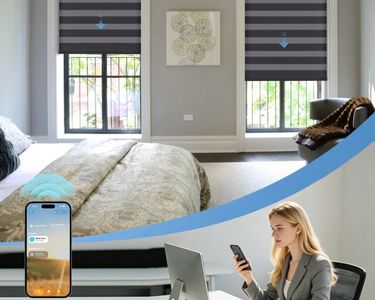
How to Choose the Best Motorized Blinds for Your Smart Home in 2026
Choosing the best motorized blinds in 2026 depends less on appearance alone and more on smart home compatibility, automation reliability, motor quality, and long-term usability. Today’s homeowners expect smart blinds to integrate smoothly with Apple Home, Alexa, Google Home, and Matter-enabled ecosystems while also providing quiet operation, responsive automation, and convenient charging solutions.
As smart homes continue evolving, motorized window treatments are becoming part of broader home automation systems rather than standalone accessories. Understanding which features truly matter can help homeowners avoid unreliable products and invest in smart blinds that perform consistently over time.
What Actually Matters in Smart Motorized Blinds?
Many buyers focus primarily on fabric or style, but the technology behind motorized blinds often has a greater impact on long-term satisfaction. The best smart blinds combine stable automation, reliable communication, quiet operation, and easy integration with existing smart home systems.
Smart Home Compatibility
Compatibility is one of the most important factors when selecting automated blinds. Some systems only work with limited apps or proprietary hubs, while others integrate across multiple smart home ecosystems.
In 2026, consumers increasingly expect smart blinds to support platforms such as Apple Home, Amazon Alexa, Google Home, and Samsung SmartThings. Products that support Matter compatibility may provide broader flexibility and easier future integration.
According to the Connectivity Standards Alliance, Matter was developed to improve interoperability between home automation system devices across brands and ecosystems. This has become increasingly important as homeowners adopt more connected devices.
Local Control vs Cloud-Based Systems
Another major consideration is whether smart blinds rely primarily on cloud servers or local control. Cloud-based systems depend heavily on internet connectivity, which may introduce delays or interruptions during outages.
Local control systems, especially those using Matter over Thread, allow devices to communicate directly within the home network. This can improve response speed, privacy, and automation stability.
For users building reliable home automation system, local automation is becoming a preferred solution because it reduces dependence on external servers.
Quiet Motor Performance
Motor noise significantly affects daily user experience. Loud motors may become disruptive in bedrooms, nurseries, or home offices where quieter environments are preferred.
Premium automated blinds typically use quieter tubular motors designed to reduce vibration and provide smoother movement. Soft start and soft stop functions can also minimize abrupt operational sounds.
Industry trends show growing demand for low-noise smart shading systems as homeowners prioritize comfort-focused automation.
Automation Quality
Automation quality influences how seamless smart blinds feel in everyday use. Reliable scheduling, responsive sensors, and accurate positioning help blinds operate consistently without frequent manual adjustments.
Well-designed automation systems can coordinate blind movement based on sunrise, room temperature, occupancy, or time of day. These functions may also improve energy efficiency by helping regulate indoor heat and lighting conditions.
Smart automation is no longer viewed simply as a convenience feature; it increasingly contributes to comfort and energy management.
Battery and Charging Convenience
Battery design is another important consideration when choosing the best automated shades. Rechargeable lithium battery systems are becoming more common because they reduce maintenance complexity compared to disposable batteries.
USB-C charging is also gaining popularity due to its convenience and compatibility with modern charging accessories. Some rechargeable smart blinds may operate for several months on a single charge depending on usage frequency and blind size.
When evaluating rechargeable smart blinds, homeowners often compare:
- USB-C rechargeable motors
- Replaceable battery systems
- Hardwired low-voltage configurations
Each option offers different advantages depending on installation conditions and maintenance preferences.
Which Type of Motorized Blinds Is Best?
Different smart blind styles provide different advantages depending on room function, privacy needs, and lighting preferences.
| Blind Type | Best For | Main Advantages | Potential Limitations |
|---|---|---|---|
| Motorized Roller Shades | Living rooms, offices, media rooms | Minimalist appearance, smooth automation, versatile light control | Less textured appearance |
| Motorized Zebra Shades | Modern interiors, shared spaces | Adjustable privacy and daylight balance | Slightly more complex fabric alignment |
| Motorized Cellular Shades | Bedrooms, energy-efficient homes | Better insulation and softer appearance | Thicker stack when fully raised |
Different smart blind styles work better for different spaces. Choosing the right option depends on lighting needs, insulation priorities, privacy preferences, and interior design style.
Why Matter Is Changing Smart Blinds in 2026
The smart blind industry is rapidly evolving, and Matter technology is becoming one of the biggest changes affecting product selection.
What Is Matter?
Matter is a smart home connectivity standard developed to simplify communication between devices across different brands and ecosystems.
Rather than relying on isolated proprietary systems, Matter allows compatible devices to work together more seamlessly. This may reduce setup complexity and improve cross-platform compatibility.
As adoption expands in 2026, Matter compatibility is becoming an increasingly important feature when choosing smart automated blinds.
Why Matter over Thread Improves Smart Blinds
Compared with many traditional Wi-Fi smart blind systems, Matter over Thread technology offers several practical advantages for modern home automation system:
- Faster local response with lower latency
- More stable automation during internet interruptions
- Lower energy consumption for connected devices
- Better cross-platform compatibility between ecosystems
For automated shades, these advantages can improve automation consistency while reducing dependence on cloud-based communication.
Because Thread devices communicate locally, users may also experience more stable performance even during temporary internet interruptions.
Common Problems With Cheap Smart Blinds
Not all smart shading systems deliver the same experience. Lower-cost systems sometimes compromise reliability, compatibility, or long-term durability.
Common Problems With Cheap Smart Blinds
Lower-cost smart blinds may appear attractive initially, but some products experience long-term reliability problems such as:
- Slow or inconsistent automation response
- Louder motor noise during operation
- Limited compatibility with smart home ecosystems
- More complicated installation and setup processes
These issues can affect both user experience and long-term durability, especially in larger smart home environments.
Reliable automation is especially important in larger smart homes where multiple devices operate simultaneously.
Why Persilux Motorized Blinds Fit Modern Smart Homes
As smart home expectations evolve, many homeowners are looking for smart shading systems that combine modern connectivity with practical everyday usability.
Matter over Thread Integration
Persilux motorized blinds support Matter over Thread technology, allowing local smart home communication across compatible ecosystems.
This helps improve automation stability while reducing dependence on cloud-based control.
Quiet Smart Motor
Quiet motor performance is especially valuable in bedrooms, nurseries, and home offices. Persilux smart blinds are designed to minimize operational noise while maintaining smooth movement.
Lower noise levels may improve comfort in spaces where quiet environments matter most.
Local Smart Home Automation
Local automation can improve response speed and maintain operation during temporary internet outages.
For homeowners prioritizing privacy and reliable automation, local control systems offer important long-term advantages.
Compatibility With Apple Home, Alexa, and Google Home
Cross-platform compatibility allows users to integrate smart blinds into broader home automation routines more easily.
Voice control, scheduling, and scene automation can all contribute to a more seamless smart home experience.
Multiple Shade Styles for Different Rooms
Different rooms often require different lighting and privacy solutions. Persilux offers multiple smart shade styles including roller shades, zebra shades, and cellular shades for various residential applications.
This flexibility allows homeowners to customize automation and light control throughout the home.
Conclusion
The best smart shading systems for smart homes in 2026 combine reliable automation, quiet motor performance, local smart control, and broad ecosystem compatibility. As Matter adoption continues expanding, homeowners are increasingly prioritizing smart blinds that integrate seamlessly across platforms while maintaining stable long-term performance.
For users looking for modern motorized blinds with Matter over Thread integration, quiet operation, rechargeable smart motors, and multiple shade styles, Persilux offers smart shading solutions designed to fit evolving connected home environments.
FAQ
Are motorized blinds worth it?
For many homeowners, motorized blinds provide meaningful convenience, improved light control, and better smart home integration. Automated scheduling may also help improve energy efficiency and comfort.
Do smart blinds work without WiFi?
Some smart blinds can continue operating locally without internet access, especially systems using Matter over Thread or other local communication technologies.
However, remote access features may still require internet connectivity.
What are the quietest motorized blinds?
Quiet smart blinds typically use premium tubular motors with soft start and soft stop functions designed to minimize vibration and operational noise.
How long do rechargeable smart blinds last?
Rechargeable battery performance varies depending on usage frequency, motor size, and automation schedules. Many systems can operate for several months between charges under normal residential use.
What is the difference between Matter and traditional smart blinds?
Traditional smart blinds often rely on proprietary apps or cloud servers, while Matter-compatible systems are designed for broader interoperability and more stable local communication.
Matter may also simplify integration across multiple smart home ecosystems.