
 Curtain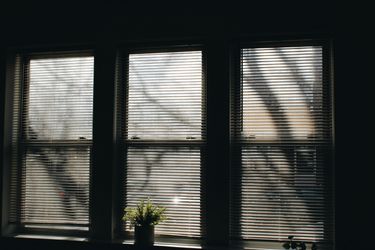
How Are Shades and Blinds Priced?
When it comes to window treatments, shades and blinds are among the most popular choices for homeowners. They enhance privacy, control light, improve insulation, and contribute significantly to interior aesthetics. But as anyone who has shopped for them knows, the pricing can vary wildly. So, what determines the cost of shades and blinds?
This guide breaks down the key factors influencing their pricing and helps you make smart, informed choices based on your needs and budget.
Understanding the Basics of Shades and Blinds?
Before diving into pricing, it’s important to understand the basics of them. Shades and blinds are both window coverings, but they differ in structure:
- Blinds are typically made of horizontal or vertical slats (wood, metal, plastic) that tilt to control light.
- Shades are usually made from a continuous piece of fabric and rolled or folded to open.
Both serve similar purposes—light control, privacy, energy efficiency—but are constructed differently. Knowing which type suits your home will help narrow down your options and understand the price tags.
What Affects the Cost of Shades and Blinds?
Material Selection
The material used is one of the most significant price drivers. Common materials include:
- Vinyl and aluminum (budget-friendly)
- Fabric (varies by thickness and texture)
- Wood and bamboo (mid to high range)
- Composite or faux wood (a durable alternative to real wood)
Premium fabrics, real wood, and designer finishes can increase costs significantly. For example, custom Roman shades in luxury linen will cost more than basic vinyl blinds.
Size and Customization
The size of your windows directly impacts the price. Larger windows require more material, which increases cost. Additionally, custom sizes made to fit non-standard windows (arched, angled, bay windows) can dramatically raise the price.
Customization also includes color matching, patterns, trims, and upgraded linings (such as blackout or thermal). The more personalized the order, the higher the price.
Control Mechanisms
How you operate your shades and blinds matters. Options include:
- Corded/manual controls – generally the least expensive.
- Cordless/lift systems – slightly more expensive but safer and cleaner looking.
- Motorized systems – prices go up with remote controls, wall switches, or smart home integration.
Automated shades controlled by your phone or voice assistant can add hundreds of dollars to the final cost.
Light Filtering and Privacy Options
Different fabric opacities and blind designs offer varying degrees of privacy and light control:
- Sheer/light-filtering shades: budget-friendly, allow soft natural light.
- Room-darkening: thicker materials, mid-price range.
- Blackout and thermal: most expensive, great for bedrooms and energy savings.
High-tech fabrics with UV blocking or thermal insulation often increase the overall cost.
Brand and Retailer
As with most products, brand reputation plays a role. High-end brands command higher prices due to design, warranty, and quality assurance. For example:
- Big box stores offer budget to mid-tier options.
- Specialty retailers or custom design studios charge more but provide unique finishes and consultation.
Even within the same brand, prices vary depending on whether you buy online, through a local dealer, or via in-home service.
Installation and Service Fees
Installation is sometimes overlooked but can affect your overall cost:
- DIY: Saves money, but may be challenging for complex products or large windows.
- Professional installation: Often recommended for motorized or custom-fit shades and blinds. Prices vary depending on location and complexity.
Some companies include installation in the total price of custom orders, while others charge separately. DIY installation can save money but may void warranties or risk errors.
Hidden or Overlooked Costs
When budgeting for shades and blinds, don’t forget the extras:
- Mounting hardware and brackets: sometimes not included.
- Remote controls and batteries for motorized systems.
- Shipping or delivery fees, especially for large or custom orders.
- Maintenance and cleaning tools, depending on the material.
Always ask for a detailed quote to avoid surprises.
General Price Ranges by Type
Here’s a rough breakdown of what you might expect to pay:
| Type | Average Price (Per Window) |
| Vinyl Mini Blinds | $10 – $40 |
| Faux Wood Blinds | $30 – $80 |
| Real Wood Blinds | $60 – $200 |
| Roller Shades | $20 – $150 |
| Roman Shades | $50 – $300 |
| Cellular/Honeycomb Shades | $40 – $250 |
| Motorized Shades/Blinds | $150 – $500+ |
Keep in mind that these prices vary by size, features, and brand.
Budgeting Tips for Smart Buyers
You don’t need to overspend to get great shades and blinds. Here’s how to stay on budget:
- Mix and match: Use premium blinds for living spaces and budget options for less-used rooms.
- Stick to standard sizes: Custom sizing is often the biggest markup.
- Look for sales: Seasonal promotions and clearance events can cut costs significantly.
- Request samples: Some companies offer free swatches so you can compare look and feel before purchasing.
- Buy in bulk: Many retailers offer discounts on multiple window orders.
By understanding what features matter most to you, you can prioritize where to invest and where to save.
Conclusion
Pricing for shades and blinds is not one-size-fits-all. It’s influenced by a combination of material, size, functionality, and brand. Whether you’re outfitting a single window or furnishing an entire home, knowing these variables will help you balance aesthetics, performance, and budget.
At Persilux, we provide a diverse selection of premium shades and blinds designed to meet your unique style and practical needs. Explore our website to find expert guidance, and exclusive collections tailored just for you.
Next time you’re considering window treatments, trust Persilux to help you make the best choice for your space—visit us online today to learn more and get personalized assistance.