

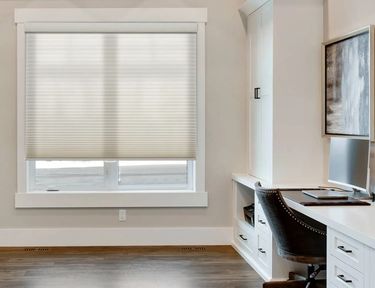
Creating the ultimate home cinema experience is about more than just buying the largest 4K OLED screen or the most expensive surround-sound system. One of the most overlooked yet critical components of a high-end entertainment space is light control. If you have ever tried to watch a moody, dark thriller during a sunny afternoon only to see your own reflection in the TV, you know the struggle. Choosing the right blinds for media room setups can transform a frustratingly bright space into a private sanctuary.
In this guide, we will explore the nuances of light management, privacy, and style to help you decide which window coverings will elevate your viewing experience. Whether you are building a dedicated theater or a multi-purpose family room, the right choice will make every movie night feel like a red-carpet premiere.
Why Lighting Control is the Secret to a Perfect Movie Night
Before diving into specific products, we need to address the "why." A media room has unique requirements that a standard living room does not. The primary goal is to eliminate "veiling glare"—that washed-out look that happens when external light hits your screen.
The Challenge of Natural Light
Standard curtains often leak light around the edges, creating distracting "halos" that pull your focus away from the screen. This is why specialized blinds for media room environments are designed with light-blocking materials and tighter fits. When you invest in high-quality window treatments, you aren’t just blocking the sun; you are enhancing the contrast ratio and color depth of your display.
Thermal Comfort and Sound Dampening
Beyond just visuals, the right window treatments help with acoustics. Glass is a highly reflective surface that can cause sound waves to bounce, leading to an echoey or "tinny" audio profile. Thicker blinds for media room use can help absorb these reflections. Additionally, media rooms often get hot due to the heat generated by electronics; cellular shades or heavy rollers provide an extra layer of insulation to keep the room cool.
Top Contenders: What Are the Best Blinds for Media Room Use?
When people ask, "What is the best window treatment for a media room?", the answer usually falls into three main categories: Blackout Roller Shades, Cellular Shades, and Roman Shades. Each offers a different aesthetic, but all aim for the same goal: total darkness.
1. Blackout Roller Shades: The Gold Standard
If your goal is 100% light blockage, blackout roller shades are the undisputed champion. These shades are made from opaque fabrics that do not allow any light to pass through the material itself.
To achieve a true theater-like environment, many homeowners choose Persilux Blackout Roller Shades, which are specifically engineered to fit snugly within the window frame. This minimizes the gaps where light might "leak" in. For those who are extra sensitive to light, adding side channels—U-shaped tracks that the fabric slides into—can eliminate light gaps entirely.
2. Cellular (Honeycomb) Shades for Insulation
If your media room is in a converted attic or a room with many windows, heat might be your biggest enemy. Cellular shades feature a unique hexagonal cell structure that traps air. These blinds for media room applications provide excellent thermal resistance and can be ordered with a blackout lining. They are also fantastic for sound absorption, helping to keep your Dolby Atmos system sounding crisp and clear.
3. Modern Roman Shades for Aesthetic Elegance
For multi-purpose rooms that serve as both a formal sitting area and a media hub, Roman shades offer a softer, more sophisticated look. By selecting a thick, high-quality blackout liner, you can enjoy the decorative appeal of fabric folds while still maintaining the ability to go dark at a moment's notice.
How to Choose the Right Material for Your Media Room
Not all "blackout" fabrics are created equal. When shopping for blinds for media room projects, you should look for specific material properties:
- Opacity: Ensure the fabric is rated for 100% light blockage.
- Backing: High-quality shades often feature a white or silver thermal backing to reflect heat away from the window.
- Maintenance: Since media rooms are often high-traffic areas for kids and snacks, choosing a polyester-based roller shade makes for easy cleaning with a simple damp cloth.
The Case for Motorized Blinds for Media Room Convenience
Imagine this: you’ve settled into your recliner, the popcorn is buttered, and the movie is about to start—but you realize you forgot to close the blinds. In a traditional room, you’d have to get up and manually adjust each window. In a modern "smart" home, you don't have to move a muscle.
Integration with Smart Home Systems
The best blinds for media room setups today are motorized. With a simple voice command like "Hey Google, it's movie time," your shades can descend, your lights can dim, and your projector can power on simultaneously. Motorization isn't just a luxury; it's a functional upgrade that protects your fabrics from the wear and tear of manual pulling.
Questions to Ask Before Buying Motorized Shades
- Power Source: Do you want battery-powered (easier for retrofitting) or hard-wired (best for new construction)?
- Control: Do you prefer a remote, a smartphone app, or voice control?
- Timing: Can the shades be programmed to close automatically when the afternoon sun is at its harshest?
Design Tips: Matching Your Blinds to Your Interior
While functionality is key, you don't want your media room to look like a dark cave 24/7. The beauty of modern blinds for media room designs is their versatility.
Layering for Maximum Effect
One of the most popular trends in home theater design is layering. You can install a sleek, functional blackout roller shade inside the window frame for light control and pair it with heavy, floor-to-ceiling drapes on the outside. This "belt and braces" approach ensures that even the tiniest sliver of light is blocked, while the drapes add a touch of luxury and improve the room's acoustics.
Choosing the Right Color
While "blackout" refers to the light-blocking capability, the fabric itself doesn't have to be black. You can choose charcoal, navy, deep grey, or even off-white fabrics that still have 100% light-blocking properties. Darker colors on the interior side of the blinds for media room can help reduce reflections from the screen itself, further improving your viewing experience.
Installation Secrets for Total Darkness
Even the best blinds for media room use will fail if they are installed incorrectly. Here are three tips to ensure success:
- Inside Mount vs. Outside Mount: For media rooms, an "outside mount" (where the shade covers the entire window casing) is often better at preventing light leaks than an "inside mount."
- Measure Thrice: Precision is everything. A gap of even half an inch can be incredibly distracting during a dark scene in a film.
- Consider "Light Gaps": Every roller shade has a small gap between the fabric and the edge of the bracket. To solve this, look for shades with specialized "light blockers" or "side channels."
Frequently Asked Questions About Media Room Window Coverings
Are blackout curtains better than blinds for a media room?
Curtains are great for sound absorption and style, but they often allow light to leak through the top and sides. Blinds for media room setups—specifically roller shades—provide a tighter seal against the window, making them superior for pure light control. For the best results, use both.
Can I install these blinds myself?
Most modern blinds for media room DIY kits are designed for easy installation. However, for motorized versions or large windows, you may want to consult a professional to ensure the brackets are perfectly level.
How do I reduce glare on my TV without making the room pitch black?
If you don't want a "bunker" feel, you can opt for dual shades. These systems feature one solar shade (which filters UV rays and reduces glare while keeping your view) and one blackout shade (for total darkness). This gives you the best of both worlds.
Conclusion: Final Thoughts on Your Home Cinema Setup
Your media room is your retreat from the world. It is the place where stories come to life and memories are made with family and friends. Don't let a poorly placed window or a bright streetlamp ruin the magic of the silver screen. By investing in the right blinds for media room environments, you are investing in the quality of your entertainment and the comfort of your home.
Whether you prefer the minimalist look of a motorized roller or the textured feel of a cellular shade, the priority should always be high-quality light blockage and ease of use. Take the time to measure your space accurately and consider how different materials will interact with your room’s acoustics and temperature. With the wide variety of styles available today, you no longer have to sacrifice fashion for function.
When you are ready to upgrade your space, remember that Persilux offers a wide range of customizable, high-performance window treatments designed specifically to meet the demands of modern home theaters and media rooms. Your perfect movie night is just one shade away.