
 Curtain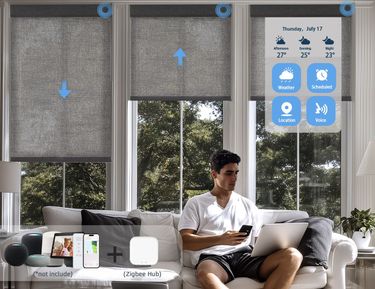
Hardwired vs Battery Motorized Blinds: Which Is Better?
The short answer is that neither option is universally better. Battery motorized blinds are often the preferred choice for existing homes because they are easier to install and require no electrical wiring. Hardwired motorized blinds, however, can offer continuous power and are often favored in new construction projects or high-end smart homes. The best choice depends on your budget, installation conditions, and long-term automation goals.
As motorized window treatments become more common in modern homes, homeowners are increasingly comparing hardwired and battery-powered systems before making a purchase. While both types provide automated operation and smart home integration, they differ in installation requirements, maintenance needs, and overall ownership experience.
According to industry reports from smart home manufacturers and window covering associations, demand for automated shading solutions continues to grow as consumers seek greater convenience, energy management, and home automation capabilities. Understanding the strengths and limitations of each power system can help homeowners make a more informed decision.
What Are Battery Motorized Blinds?
Battery motorized blinds use an integrated rechargeable battery pack or replaceable batteries to power the motorized lifting system. Instead of drawing electricity directly from the home's electrical network, the motor stores energy within the battery and uses it to raise, lower, or adjust the blinds when triggered by a remote control, smartphone app, or smart home command.
Most modern battery-powered systems utilize rechargeable lithium-based batteries that are designed to provide long operating periods between charging cycles. Actual battery performance varies depending on window size, shade weight, motor efficiency, and frequency of use.
Battery-powered motors can be integrated with many modern automation platforms, allowing homeowners to create schedules, voice commands, and customized scenes with platforms like Apple Home, Alexa, and Google Home. As battery technology continues to improve, many smart blind manufacturers now offer rechargeable solutions that deliver performance levels comparable to traditional wired systems.
For homeowners evaluating motorized window treatments, battery-powered systems represent a self-contained automation solution that combines convenience with flexible installation possibilities.
What Are Hardwired Motorized Blinds?
Hardwired motorized blinds connect directly to a building's electrical system. Instead of relying on rechargeable batteries, they receive continuous power through dedicated wiring installed inside walls, ceilings, or window frames.
These systems are frequently chosen for new construction projects because wiring can be planned during the building phase. This allows installers to conceal cables and create a cleaner finished appearance.
Hardwired systems are also commonly used in luxury residences, commercial buildings, and large-scale automation projects where multiple shades operate simultaneously throughout the day.
Because they receive constant power, homeowners never need to recharge batteries or replace battery packs. For some users, this represents the biggest advantage of hardwired motorized blinds.
What's the Difference Between Hardwired and Battery Motorized Blinds?
While both systems perform the same basic function, several important differences affect installation, ownership costs, and daily operation.
| Feature | Battery Motorized Blinds | Hardwired Motorized Blinds |
|---|---|---|
| Installation | Easier retrofit installation | Requires electrical wiring |
| Initial Investment | Typically lower | Often higher |
| Maintenance | Occasional battery charging | Minimal ongoing power maintenance |
| Power Supply | Rechargeable battery | Continuous electrical power |
| Flexibility | Highly adaptable for existing homes | Best suited for new construction |
| Smart Home Features | Available with modern smart motors | Available with modern smart motors |
| Appearance | May require access for charging | Fully concealed power system possible |
| Best Use Case | Renovations, apartments, existing homes | New builds, luxury homes, large automation projects |
Installation Difficulty
Installation is one of the most important practical differences between hardwired and battery motorized blinds.
Battery-powered systems typically require only standard mounting brackets and basic installation tools. Because they do not need access to household electrical wiring, installation can often be completed without opening walls, running cables, or hiring an electrician. This makes them particularly suitable for finished homes, apartments, condominiums, and retrofit projects.
Hardwired motorized blinds require a dedicated power source. In new construction projects, wiring can be planned during the building phase and concealed behind walls, ceilings, or window frames. In existing homes, however, adding electrical wiring may involve additional labor, wall repair, and coordination with licensed electrical professionals.
From an installation perspective:
- Battery motorized blinds are generally easier and faster to install in existing homes.
- Hardwired motorized blinds are often ideal for new construction and large renovation projects.
- Both systems can be used for inside-mount and outside-mount installations when proper measurements and clearance are available.
For many homeowners, installation conditions ultimately have a greater influence on the decision than the motor technology itself.
Upfront Cost and Long-Term Cost
When comparing costs, it is important to look beyond the purchase price.
Battery motorized blinds often involve lower installation expenses because wiring is unnecessary. However, batteries eventually require charging or replacement, which contributes to long-term maintenance considerations.
Hardwired systems generally involve greater installation complexity and may require coordination between electricians and window treatment installers. While the initial investment can be higher, ongoing maintenance related to power supply is often reduced.
The most cost-effective solution depends on project size, home design, and expected ownership duration.
Daily Convenience and Maintenance
From a day-to-day perspective, both systems provide similar automation capabilities. Users can schedule opening and closing times, create scenes, and control shades remotely.
Battery-powered systems require periodic charging. Fortunately, advances in battery efficiency have significantly reduced charging frequency for many modern products.
Hardwired blinds eliminate this responsibility entirely. Because power is continuously available, homeowners never need to monitor battery levels.
For users who prioritize minimal maintenance, hardwired systems may offer a slight convenience advantage.
Reliability During Everyday Use
For everyday operation, reliability is influenced by several factors including motor engineering, communication technology, installation quality, and power management.
Battery-powered blinds rely on stored energy, so maintaining adequate battery charge is important for uninterrupted performance. Modern systems often provide low-battery notifications through mobile apps, helping homeowners avoid unexpected interruptions.
Hardwired systems benefit from a continuous power source, eliminating concerns about charging schedules. This can be advantageous in homes where blinds operate frequently throughout the day.
However, real-world performance studies show that motor quality and system design generally have a greater impact on reliability than whether the motor receives power from batteries or household wiring.
Smart Home Compatibility
One common misconception is that hardwired systems are automatically smarter than battery-powered systems. In reality, smart home compatibility depends primarily on the motor platform and communication protocol rather than the power source.
Modern smart blinds may support:
- Apple Home
- Amazon Alexa
- Google Home
- Matter
- Thread
- SmartThings
Many battery-powered smart blinds now offer the same automation capabilities as hardwired models. Features such as local control, scheduling, voice commands, and app-based management are available in both categories.
As Matter adoption continues to expand, smart home integration is becoming increasingly standardized across different motorized shade platforms.
Appearance and Cable Visibility
Appearance is another factor that influences buying decisions.
Battery-powered systems are designed to minimize visible hardware, but they still require access for battery charging. Depending on the product design, battery packs may be partially visible.
Hardwired systems often provide the cleanest finished appearance because all power cables can be concealed during installation. This creates a streamlined aesthetic that many designers and architects prefer.
However, advances in battery design have significantly narrowed the visual gap between the two options, making both suitable for modern interiors.
Which Option Is Better for Different Rooms?
The ideal choice often depends on the room itself and how the shades will be used.
Battery motorized blinds are often well suited for:
- Bedrooms
- Living rooms
- Existing homes undergoing upgrades
Hardwired motorized blinds are frequently preferred for:
- New construction projects
- Large luxury residences
- Commercial environments
- Homes with centralized automation systems
Window accessibility, construction stage, and automation requirements should all be considered when selecting a power system.
Which Type Lasts Longer?
When evaluating longevity, homeowners should look beyond the power source itself and consider the overall quality of the system.
Motor lifespan is influenced by factors such as manufacturing quality, usage frequency, operating load, environmental conditions, and maintenance practices. A premium battery-powered motor can often outlast a lower-quality hardwired alternative.
Battery systems may eventually require battery replacement after years of charging cycles, while hardwired systems avoid this specific maintenance requirement. However, both systems can provide long service lives when built with quality components and properly maintained.
Another factor to consider is battery lifecycle. Rechargeable batteries naturally experience gradual capacity reduction after many charging cycles. However, modern lithium battery systems are designed to support years of normal residential use before replacement becomes necessary. In most cases, homeowners are more likely to replace fabric styles or upgrade smart home technology before motor wear becomes a major concern.
Industry testing conducted by motor manufacturers consistently suggests that engineering standards, durability testing, and motor design play a more significant role in lifespan than the choice between battery and hardwired power.
Are Hardwired Blinds Worth the Extra Cost?
For some homeowners, absolutely. Hardwired systems can deliver a seamless appearance, eliminate charging requirements, and integrate effectively into whole-home automation projects.
However, they are not automatically the best choice for every situation. Many modern battery motorized blinds now provide excellent reliability, advanced smart home compatibility, and convenient operation without requiring electrical modifications.
For most retrofit projects, battery-powered systems often represent the best balance of convenience, functionality, and installation simplicity. For new construction and high-end custom homes, hardwired systems may justify the additional investment.
Ultimately, the best choice depends on your home's construction stage, automation goals, and maintenance preferences.
Conclusion
When comparing hardwired vs battery motorized blinds, the right solution depends on your home's construction stage, automation goals, budget, and maintenance preferences. Battery-powered systems offer flexibility, easier installation, and strong smart home performance, while hardwired solutions provide continuous power and a fully integrated appearance.
For homeowners looking for a smarter and more future-ready shading solution, Persilux combines premium motor technology with advanced smart home compatibility. Persilux motorized blinds support Matter-enabled smart control, Apple Home, Google Home, Alexa, and other leading ecosystems, allowing users to create responsive automations and seamless daily routines.
With quiet motors, rechargeable battery options, custom sizing, and a wide selection of shade styles, Persilux makes it easy to enjoy professional-grade smart shading whether you're upgrading an existing home or building a fully connected smart home from the ground up.