
 Curtain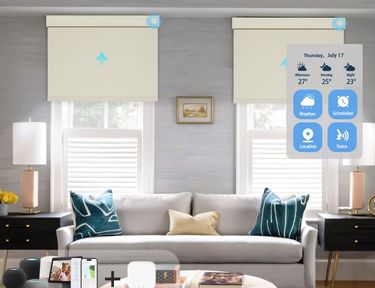
How Much Do Motorized Shades Cost?
The short answer is that motorized shades can range from a relatively affordable home upgrade to a premium smart home investment, depending on factors such as window size, fabric choice, motor technology, smart features, and installation requirements. Rather than focusing only on the purchase price, homeowners should evaluate the overall value that automated window treatments can provide over time.
As motorized window coverings become increasingly common in modern homes, consumers are paying closer attention to convenience, energy efficiency, child safety, and smart home integration. Understanding what drives the cost of motorized shades can help buyers make informed decisions and avoid paying for features they do not actually need.
Industry research from organizations such as the Window Covering Manufacturers Association (WCMA) and smart home market analysts continues to show strong growth in automated shading systems. This trend reflects a broader shift toward connected living spaces where comfort, automation, and energy management play increasingly important roles.
Average Cost of Motorized Shades
The cost of motorized shades varies considerably depending on customization level, materials, motor quality, and smart home compatibility. Entry-level products are generally designed for homeowners seeking basic automation, while premium systems often include advanced controls, enhanced durability, and deeper integration with smart home ecosystems.
Instead of viewing motorized shades as a simple window treatment purchase, many homeowners consider them a long-term investment in comfort and convenience. Products with higher-quality motors, better fabrics, and stronger warranties may carry a higher upfront cost but can offer better long-term value.
The table below illustrates how different categories of motorized shades generally compare in terms of investment level.
| Product Category | Relative Cost Level |
| Basic Motorized Shades | Lower |
| Smart Motorized Shades | Moderate |
| Premium Custom Smart Shades | Higher |
| Large Specialty Window Solutions | Highest |
Actual costs depend on project requirements, product specifications, and installation complexity.
Cost discussions can be supported by manufacturer data, WCMA resources, and independent smart home market reports.
Why Do Some Motorized Shades Cost More Than Others?
Not all motorized shades are built the same. Differences in materials, engineering, technology, and customization can significantly affect the final investment.
Window Size
Window size is one of the most important factors affecting cost. Larger windows require more fabric, stronger tubes, more powerful motors, and additional structural support to ensure smooth and reliable operation.
Oversized windows, sliding doors, and floor-to-ceiling installations often demand specialized hardware designed to handle heavier loads. This increases manufacturing complexity and influences overall product cost.
Custom-sized shades may also involve additional production steps because they are built specifically for individual openings rather than mass-produced standard dimensions.
Fabric Type
Fabric selection can dramatically influence the cost of motorized shades. Basic light-filtering materials generally require fewer manufacturing processes than performance-oriented fabrics.
Common premium fabric options include:
- Blackout fabrics for enhanced room darkening
- Solar fabrics that help reduce glare and UV exposure
- Decorative woven fabrics with designer textures
- Cellular materials designed to improve insulation
Higher-grade fabrics often provide better appearance retention, UV resistance, and long-term durability, making them attractive for homeowners seeking lasting value.
Warranty & Lifespan
Warranty coverage often reflects manufacturer confidence in product quality. Longer warranties may indicate stronger testing standards, higher-quality components, and greater durability expectations.
A well-built motorized shading system can remain functional for many years when properly maintained. As a result, products with extended warranties may offer better long-term ownership value despite requiring a larger initial investment.
Adding warranty comparisons from major industry brands can further strengthen the authority of this section.
Motor & Smart Features
Motor technology is one of the most significant cost drivers in modern automated window treatments.
Basic systems may only include remote-control functionality, while more advanced products can support smartphone apps, scheduling, voice control, and smart home automation.
Features that often contribute to higher costs include:
- App-based control
- Voice assistant integration
- Scheduled automation
- Matter compatibility
- Apple Home, Alexa, and Google Home support
- Multi-room synchronization
While advanced functionality increases convenience, it also requires more sophisticated hardware and software development.
Battery vs Hardwired
The power source can affect both installation requirements and long-term ownership experience.
Battery-powered shades are generally easier to install because they do not require dedicated electrical wiring. Rechargeable systems have become increasingly popular due to their convenience and flexibility.
Hardwired solutions may involve additional planning and installation work but can provide continuous power and eliminate the need for periodic charging. These systems are often selected for luxury homes and large-scale smart home projects.
Motorized Shade Installation Costs and Hidden Fees
When evaluating motorized shades, homeowners should consider more than just the product itself. Installation and system setup can represent an important part of the overall investment.
Battery-powered products are typically easier to install, while hardwired systems may require electrical preparation and professional labor. The complexity of the project often depends on window accessibility, building construction, and desired automation features.
Some commonly overlooked expenses include:
- Electrical preparation for wired systems
- Smart home hubs or controllers
- Specialized mounting hardware
- Delivery and handling requirements
- Professional programming and automation setup
Requesting a complete project estimate before purchasing can help avoid surprises and provide a clearer understanding of total ownership costs.
Installation guidance supported by professional installer recommendations and home improvement research can improve credibility.
Are Motorized Shades Worth the Cost?
Whether motorized shades are worth the investment depends on the homeowner's priorities, lifestyle, and long-term goals.
Many consumers value motorized shades because they simplify daily routines. With automated scheduling, shades can open in the morning, adjust throughout the day, and close automatically in the evening without manual intervention.
According to energy-efficiency research from organizations such as the U.S. Department of Energy, properly managed window coverings can help reduce solar heat gain and improve thermal performance. Automated scheduling allows homeowners to make more consistent use of these benefits throughout the year.
Motorized shades can also improve child safety by eliminating traditional dangling cords. This makes them particularly attractive for families with young children and pets.
For smart home users, integration with voice assistants and automation platforms adds another level of convenience. Automated window treatments can become part of broader routines that include lighting, climate control, and security systems.
When viewed through the lens of comfort, convenience, safety, and automation, many homeowners find that motorized shades offer value beyond their initial purchase cost.
How to Save Money on Motorized Shades
Motorized shades do not necessarily require a premium budget. Several practical strategies can help homeowners maximize value while controlling costs.
Start by prioritizing rooms where automation provides the greatest benefit. Spaces with large windows, difficult-to-reach openings, or heavy daily usage often deliver the strongest return on investment.
Rechargeable battery-powered systems can also help reduce installation complexity and overall project costs while still offering many smart features found in more advanced systems.
Another useful approach is to focus on features that genuinely support your lifestyle. Some homeowners benefit from advanced smart home integration, while others may find that basic scheduling and remote control meet their needs perfectly.
Comparing warranty coverage, motor quality, and long-term support can often be more valuable than simply selecting the lowest-priced option. Reliability and durability frequently contribute more to long-term satisfaction than small differences in upfront cost.
Conclusion
Motorized shade costs vary according to window size, fabric selection, motor technology, smart features, and installation complexity. Understanding these factors helps homeowners evaluate value more effectively and choose solutions that match their needs rather than focusing solely on price.
For homeowners seeking reliable and customizable smart shading solutions, Persilux offers a wide range of motorized shades with quality materials, modern smart home compatibility, and flexible automation features. This combination makes it easier to create a comfortable, connected living environment tailored to individual preferences.