
 Curtain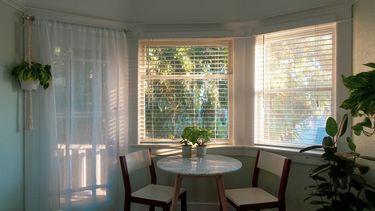
How to Measure Windows for Blinds and Shades?
When it comes to enhancing your home's style and functionality, installing blinds or shades is one of the best decisions you can make. Not only do blinds offer privacy and light control, but they also add a beautiful aesthetic to any room. However, the key to getting the perfect blinds is ensuring they fit your windows correctly. Measuring windows for blinds and shades may seem like a daunting task, but with the right guidance and tools, you can do it with ease. In this guide, we’ll walk you through the process of measuring your windows for blinds. Whether you’re upgrading your current window treatments or installing blinds for the first time, we’ve got you covered.
Understand Different Types of Window Treatments
1.Types of Blinds
- Venetian Blinds
Made of horizontal slats (wood, aluminum, or PVC), Venetian blinds give you excellent control over light and privacy. They're versatile enough to fit most rooms, from cozy bedrooms to spacious living rooms, and their classic style complements many décor types.
- Vertical Blinds
Ideal for large windows or sliding glass doors, vertical blinds (fabric, vinyl, or aluminum) are a practical choice. Their vertical slats make them easy to clean, and they offer great light control, making them perfect for spaces where you want to manage sunlight without blocking the view.
- Mini Blinds
If you need a budget-friendly option for smaller windows, mini blinds are a great choice. With smaller aluminum slats, they are simple, functional, and perfect for tighter spaces, though they offer less style than larger options.
2.Types of Shades
- Roman Shades
For a touch of softness and elegance, Roman shades are a popular choice. These fabric shades fold neatly into pleats when raised, adding a decorative element to your space. Whether you're outfitting a living room or a bedroom, Roman shades are available in a wide variety of fabrics to match any décor.
- Roller Shades
Roller shades offer a sleek, minimalist look. Their simple design rolls up neatly and is available in a range of fabrics, including blackout options, making them ideal for bedrooms where you want to block light for a restful night’s sleep.
- Cellular Shades
Cellular shades are a smart option for energy efficiency. With honeycomb-shaped cells that trap air, they help keep your room cool in summer and warm in winter. Available in single, double, or triple layers, they’re perfect for those who want insulation without compromising on style.
- Pleated Shades
If you’re looking for a sleek, clean look, pleated shades provide a modern alternative to cellular shades. They offer a soft, simple pleat structure and are available in various materials and colors to suit your home.
3.Types of Curtains and Drapes
- Curtains
Curtains are a classic window treatment, offering both light control and privacy. They can range from casual to formal, depending on the fabric and design, and work well in spaces like living rooms or dining areas.
- Drapes
For a more formal, polished look, drapes are the way to go. These heavier, floor-length panels are often lined to block out light, providing privacy and insulation, making them ideal for bedrooms or living rooms.
4.Types of Shutters
- Plantation Shutters
Plantation shutters bring a timeless, elegant look to any room. Their wide slats offer excellent light control, and they’re perfect for both traditional and modern homes. These shutters not only elevate your décor but can also increase your home’s value.
- Interior Shutters
If you’re looking for something more compact and functional, interior shutters offer a clean, classic look that’s perfect for kitchens or bathrooms. Made of wood or vinyl, they’re easy to maintain and clean, making them ideal for high-traffic areas.
Types of Sheer Window Treatments
- Sheer Curtains or Shades
Sheer curtains allow natural light to filter through while maintaining privacy. Perfect for living rooms or dining areas, these light, airy fabrics create a soft, relaxed ambiance in any room.
- Sheer Horizontal or Vertical Blinds
For a lighter, more open feel, sheer horizontal or vertical blinds combine the lightness of sheer fabric with the privacy and control of blinds. They’re ideal for creating an airy atmosphere without completely blocking the view.
Types of Specialty Window Treatments
- Solar Shades
If your room receives a lot of direct sunlight, solar shades are a great choice. These shades reduce glare and protect against UV rays, while still allowing you to enjoy an outdoor view. Perfect for offices or sunrooms, they help maintain comfort without sacrificing natural light.
- Blackout Shades
Blackout shades are your best bet for rooms where you need total darkness, such as bedrooms or home theaters. Made from thick, layered fabrics, they block out all light, ensuring you get the restful environment you need.
Tools You'll Need
To measure your windows accurately, gather these basic tools:
- Tape measure: A standard tape measure will work, but ensure it’s long enough to cover the full width and height of the window.
- Pencil and paper: Handy for noting down your measurements.
- Step stool or ladder: For higher windows, a stool or ladder will help you reach the top of the frame.
- Level (optional): Ensures your blinds will hang evenly.
Guidance to Meature Your Window
Accurate window measurements are essential for a perfect fit when installing blinds or shades. This guide will walk you through the steps for measuring, whether you're choosing inside or outside mounts, ensuring a flawless result.
How to Measure for Inside Mount Blinds and Shades:
1.Measure the Width: Start by measuring the width at three different points—top, middle, and bottom of the window. This will help you get the most accurate fit, as windows can sometimes be uneven.
2.Measure the Height: Next, measure the height at the left, middle, and right side of the window. This ensures the blinds will hang evenly and cover the window properly.
3.Check the Depth: Ensure that your window frame has at least 1.5 inches of depth. This is necessary for the blinds to fit securely and function smoothly.
4.Window Sill (Optional): If you're choosing blinds like wood or Roman shades, measure from the top of the window frame to the sill. This ensures the blinds will sit properly when closed.
How to Measure for Outside Mount Blinds and Shades:
1.Measure the Width: Measure the total area you want the blinds to cover, including any extra space on the sides. This ensures full coverage and a more finished look.
2.Measure the Height: Measure from the top of the window to the point where you want the blinds to end. This gives you flexibility depending on the look you want to achieve.
3.Include the Headrail Size: Don't forget to factor in the dimensions of the headrail, as this part will be visible and needs to fit correctly.
4.Check for Obstructions: Ensure that the surface where you plan to mount the blinds is clear of any obstructions, like curtain rods or other window treatments, to make installation easier.
Dealing with Complex Window Shapes
1.Arched Windows
If you have arched windows, top-down/bottom-up shades give you control over light while maintaining the shape. You can also opt for custom-shaped cellular shades for an elegant, energy-efficient option that fits perfectly.
2.Round or Circular Windows
For round windows, cellular shades are a great choice since they can be custom-shaped to fit the curve, offering a clean, modern look. Alternatively, roller shades with a custom radius provide smooth, effortless operation.
3.Triangular Windows
Triangular windows can be tricky, but custom pleated or cellular shades are perfect for this shape, providing a tailored fit. For light control, solar shades are an excellent option without compromising the view.
4.Bay or Bow Windows
If you have a bay or bow window, vertical blinds or custom Venetian blinds are the best fit, accommodating multiple panels for a sleek look. Roman or roller shades also offer a customized fit for these curved windows.
5.Irregular Shapes (e.g., Hexagonal, Octagonal)
For more unusual shapes like hexagons, custom wood or faux wood blinds can be shaped to fit. Cellular shades are another versatile option, adapting to complex designs without sacrificing style.
Tips for Accurate Blinds Measurements:
1.Use a Steel Tape Measure
For the best accuracy, it's a good idea to use a steel tape measure instead of a cloth or plastic one. This will give you more precise measurements and ensure your blinds fit perfectly.
2.Double-Check Your Measurements
It's always a good idea to measure each side a few times to be sure. Remember, the more accurate your measurements, the better your blinds will fit!
3.Measure at Multiple Points
Since windows and walls are rarely perfectly square, measure at the top, middle, and bottom for width, and left, middle, and right for height. Always go with the largest measurement for a snug, secure fit.
4.Record Your Measurements Clearly
As soon as you’ve got your measurements, jot them down. This helps avoid mistakes and saves you time when you're ready to order.
5.Account for Window Hardware
Don’t forget to consider any window handles, locks, or cranks when measuring. These could get in the way during installation, so it's important to make sure they’re factored in.
6.Measure in Inches
To keep things simple and avoid confusion, use inches for all your measurements. Consistency will help ensure everything lines up correctly.
7.Consider Your Blinds’ Mounting Needs
Different types of blinds require different measurements. Some, for example, need extra space on the sides or top for proper installation, so always check the manufacturer’s guidelines to get the best results.
8.Don’t Forget Clearance
Especially when installing inside mount blinds, make sure there’s enough clearance at the top and bottom of the window. This is particularly important if your window has a sill or other features that might affect the fit.
Conclusion
Measuring your windows for blinds is a crucial step in ensuring a perfect fit. Whether you choose inside or outside mount blinds, following the right steps will help enhance your home’s look and comfort. Persilux offers high-quality, custom-tailored blinds that fit your windows perfectly. Our range of window coverings offers exceptional durability and style.