
 Curtain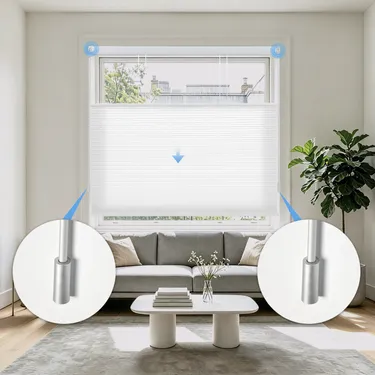
Top Down Bottom Up Shades: Are They Worth It?
Yes—for many homeowners, top down bottom up shades are worth the investment because they provide privacy and natural daylight at the same time. They are especially beneficial for bedrooms, bathrooms, home offices, and street-facing windows where balancing light and privacy is important.
According to the U.S. Department of Energy, properly selected window coverings can improve indoor comfort by managing daylight and solar heat gain, making adjustable shades a practical choice for many homes.
What Are Top Down Bottom Up Shades?
Top down bottom up shades are a window treatment system that allows the fabric to move from either direction. Instead of operating from only the bottom rail like conventional shades, they can be opened from the top, the bottom, or both.
This design makes it possible to uncover only the upper portion of a window while keeping the lower section covered. As sunlight enters from above, the lower half of the window continues to block direct views from outside, helping maintain privacy during the day.
Traditional shades generally offer only one operating direction. While they effectively block light when fully lowered, they require homeowners to sacrifice either privacy or daylight. Top down bottom up shades solve this problem by allowing both at the same time.
This operating system is commonly available on several popular window treatment styles, including:
- Cellular shades
- Pleated shades
- Roman shades
- Woven wood shades
Many modern products also combine top down bottom up shades with cordless operation for improved child safety and a cleaner appearance. Some premium models even integrate motorized controls, allowing users to adjust the shades with a remote control, smartphone app, or smart home system.
Main Benefits of Top Down Bottom Up Shades
One of the biggest reasons homeowners choose top down bottom up shades is their ability to solve several common window covering challenges at once. Instead of choosing between privacy and daylight, these shades provide both.
Better Privacy Without Closing the Entire Window
Privacy is one of the primary advantages of top down bottom up shades.
For homes located near sidewalks, neighboring buildings, or busy streets, eye-level visibility can be a concern. By lowering the shade from the top while leaving the lower portion covered, homeowners can prevent people outside from looking into the room while still enjoying natural sunlight.
This feature is particularly useful in:
- Ground-floor apartments
- Street-facing bedrooms
- Living rooms facing neighboring homes
- Dining areas with large windows
Rather than creating a completely dark environment, top down bottom up shades maintain a comfortable balance between openness and privacy.
Enjoy More Natural Daylight
Natural daylight can make a room feel larger, brighter, and more welcoming.
With standard shades, homeowners often need to raise the entire shade to bring sunlight indoors, which also exposes the room to outside views. Top down bottom up shades eliminate this compromise by allowing daylight to enter only from the upper part of the window.
This creates softer, indirect lighting that reduces the harsh glare often associated with direct sunlight.
Interior designers frequently recommend maximizing daylight wherever possible because a naturally lit space often appears more comfortable, spacious, and visually appealing.
Daylighting is widely recognized as an effective building strategy. The U.S. Department of Energy explains that using natural daylight strategically can help reduce the need for artificial lighting while improving indoor comfort. By allowing sunlight to enter through the upper portion of the window, top down bottom up shades support this approach without fully exposing the room to outside views.
Flexible Light Control
Different times of the day require different lighting conditions.
Morning sunlight may be welcome, while afternoon glare can become uncomfortable. Top down bottom up shades make it easy to adjust the amount of incoming light without completely opening or closing the window.
Compared with standard lift shades, they offer significantly greater flexibility for everyday living.
For homeowners using light filtering cellular shades, this flexibility becomes even more noticeable. Soft daylight continues entering the room while harsh direct sunlight is reduced, creating a more pleasant indoor environment.
A Great Match for Blackout and Light-Filtering Fabrics
Another major benefit of top down bottom up shades is that the operating system works well with different fabric options.
For bedrooms, many homeowners prefer blackout materials. The lower portion of the window remains covered for privacy, while the upper section can still provide limited daylight when desired.
In living rooms, kitchens, and family spaces, light-filtering fabrics often create a better balance. They diffuse incoming sunlight, reduce glare, and maintain a bright atmosphere without completely blocking outdoor light.
Because top down bottom up shades can be customized with different opacity levels, homeowners have greater freedom to choose the lighting experience that best matches each room.
Are There Any Downsides?
Although top down bottom up shades offer many advantages, they are not the perfect solution for every homeowner. Understanding their limitations can help you make a more informed decision.
They Usually Cost More
Because top down bottom up shades include a more advanced operating mechanism than standard lift shades, they generally cost more.
The additional investment reflects the increased flexibility rather than simply the fabric itself. For homeowners who value privacy and daylight equally, many consider the added cost worthwhile.
Not Every Shade Style Supports This Feature
While the feature is widely available for cellular, pleated, Roman, and woven wood shades, it is not offered on every fabric, collection, or window treatment style.
Before purchasing, it's important to confirm that your preferred material and design support top down bottom up operation.
The Lift System Is More Complex
A dual-direction lift system naturally includes more moving components than a traditional shade. Although quality products are designed for long-term everyday use, selecting a well-engineered system and following the manufacturer's operating instructions can help ensure smooth performance over time.
Accurate Measurements Matter
Because top down bottom up shades rely on precise alignment, accurate window measurements are especially important.
Large windows or custom-sized installations require careful measuring to ensure the shades operate smoothly and fit correctly. Taking the time to measure accurately—or following a professional measuring guide—can help achieve the best results.
Best Rooms for Top Down Bottom Up Shades
Although top down bottom up shades can work in almost any room, they offer the greatest value in spaces where both privacy and natural light are important.
Bedrooms
Bedrooms benefit from top down bottom up shades because they provide daytime privacy while allowing soft natural light to enter from above. Pairing them with blackout cellular fabrics offers greater flexibility between day and night.
Bathrooms
Bathrooms are one of the most practical places for top down bottom up shades. Privacy is essential, but completely covering the window can make the room feel enclosed and darker than necessary.
Opening only the upper section allows daylight to brighten the space while maintaining privacy where it's needed most. Moisture-resistant materials are often recommended for bathrooms to improve long-term durability.
Living Rooms
Large living room windows bring in beautiful natural light, but they may also expose the interior to people walking outside.
Top down bottom up shades reduce direct visibility into the room while preserving brightness. This makes them an excellent option for homes facing sidewalks, neighboring properties, or busy streets.
Home Offices
Glare can quickly become a problem when working on a computer. Instead of closing the entire window, top down bottom up shades allow daylight to enter from the top while blocking lower-angle sunlight that may cause screen reflections.
This creates a more comfortable workspace with balanced lighting throughout the day.
Street-Facing Windows
Perhaps the best application for top down bottom up shades is any street-facing window.
Whether you live in a detached home, townhouse, or apartment, this operating style lets you enjoy outdoor light without feeling exposed. For many homeowners, this combination of privacy and openness is the primary reason for choosing this type of window treatment.
Top Down Bottom Up Shades vs Regular Shades
Both top down bottom up shades and regular shades can improve privacy and light control, but they serve different needs.
| Feature | Top Down Bottom Up Shades | Regular Shades |
|---|---|---|
| Light Control | Open from the top, bottom, or both | Opens only from the bottom |
| Privacy | Excellent daytime privacy | Privacy decreases when raised |
| Natural Daylight | Allows daylight while keeping the lower window covered | Requires raising the entire shade |
| Flexibility | Highly adjustable | Basic operation |
| Cost | Usually higher | More affordable |
| Best For | Bedrooms, bathrooms, home offices, street-facing rooms | General-purpose spaces |
If your primary goal is simply blocking sunlight, standard shades may be enough.
However, if you regularly find yourself choosing between privacy and daylight, top down bottom up shades provide a noticeably more versatile solution.
Are Top Down Bottom Up Shades Worth It?
For many homeowners, the answer is yes.
If your home has street-facing windows, closely spaced neighboring houses, or rooms where privacy and daylight are equally important, top down bottom up shades can significantly improve everyday comfort.
They are especially worth considering for:
- Bedrooms
- Bathrooms
- Living rooms facing public areas
- Home offices
- Apartments with nearby buildings
The ability to admit natural light from above while maintaining privacy below is a practical advantage that standard shades cannot easily replicate.
That said, they may not be necessary for every situation.
If you only need basic light blocking for a guest room, storage room, or other low-use space, standard shades can often meet your needs at a lower cost.
Before making a purchase, it's worth checking whether your preferred shade style, fabric, window size, and operating method support top down bottom up functionality. Some collections also offer cordless or motorized options, giving homeowners even greater convenience depending on their lifestyle and smart home preferences.
Ultimately, the right choice depends on how you use each room. For many households, the additional flexibility offered by top down bottom up shades justifies the higher initial investment through improved comfort and better day-to-day usability.
Conclusion
Overall, top down bottom up shades are an excellent option for homeowners who want more flexible light control without sacrificing privacy. While they cost more than standard shades, many people find the additional functionality worthwhile for everyday living.
If you're looking for custom top down bottom up shades, Persilux offers cellular models with blackout and light-filtering fabrics, cordless operation, and motorized options, allowing homeowners to choose a solution that fits different window sizes and living spaces.
Frequently Asked Questions
Can top down bottom up shades provide complete privacy?
Yes. When positioned correctly, they can cover the lower portion of the window while allowing light to enter from the top. For maximum nighttime privacy, blackout fabrics are often the preferred choice.
Are top down bottom up shades available with cordless operation?
Yes. Many manufacturers offer cordless top down bottom up shades, providing a cleaner appearance while reducing exposed cords. This option is also commonly chosen in homes with children or pets.
Do top down bottom up shades improve energy efficiency?
The operating style itself does not improve insulation. However, when paired with energy-efficient materials such as cellular shades, they can help reduce heat transfer through windows and improve indoor comfort throughout the year.