
 Curtain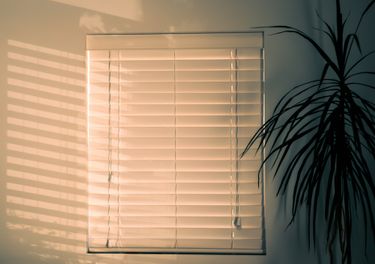
What Shades and Blinds Should You Get?
When it comes to home design, many people focus on furniture, flooring, or wall colors—but often overlook the importance of window coverings. The right shades or blinds don’t just enhance your décor—they improve energy efficiency, increase privacy, and control natural light in meaningful ways. With countless options on the market, choosing the right window treatments can feel overwhelming. Should you go with roller shades or Roman blinds? Is faux wood better than fabric? What works best for each room in your home?
In this guide brought to you by Persilux, we’ll break down everything you need to know to make the right decision—whether you're furnishing a brand-new home or updating a single room.
Shades vs. Blinds: What’s the Real Difference?
Let’s start with the basics: shades and blinds are not the same.
- Shades are made from a single continuous piece of fabric or soft material that rolls, folds, or stacks. They offer a more seamless look and are great for softening a room’s feel.
- Blinds, on the other hand, are constructed from horizontal or vertical slats that can be adjusted to control the amount of light entering a space.
Each has its advantages. Shades are ideal for a clean, modern appearance and better light-blocking, while blinds offer more flexible light control due to their adjustable slats.
If you need both functionality and visual appeal, combining both is an option—many homeowners install layered treatments, such as blinds with a soft curtain overlay.
Choosing Based on Room Function
Bedroom
In the bedroom, comfort and rest are top priorities. Blackout roller shades and cellular shades (also known as honeycomb shades) are highly effective at blocking outside light, making them excellent for improving sleep quality. Top-down bottom-up cellular shades also allow natural light in while maintaining privacy.
For a more luxurious look, consider lined Roman shades in textured fabrics, which combine elegance with functionality.
Living Room
The living room is a social and often sunlit space. Here, you want window coverings that let in natural light without sacrificing style.
- Wood blinds offer a warm, timeless appearance and pair well with both traditional and modern décor.
- Roman shades made of linen or light-filtering materials can add softness and depth to the room.
- If you have large glass doors or floor-to-ceiling windows, vertical blinds or panel track shades are smart, space-saving choices.
Kitchen & Bathroom
Moisture, heat, and grease can damage certain materials, so durability and easy maintenance are key in kitchens and bathrooms.
- Faux wood blinds are a top choice—they're moisture-resistant and look similar to real wood.
- Aluminum blinds are another budget-friendly option that's easy to clean and holds up well to humidity.
Avoid using fabric-based shades in these rooms unless they’re specifically designed to resist mold and stains.
Light and Privacy Needs: Choosing the Right Shades and Blinds
Every room requires a different level of light control and privacy.
- Want to preserve views and sunlight? Go with sheer shades or solar shades, which block UV rays while maintaining visibility.
- Need complete darkness? Blackout roller shades, especially in bedrooms or media rooms, eliminate almost all outside light.
- A flexible solution? Top-down bottom-up shades allow light in from the top of the window while shielding the lower part for privacy—a favorite for street-facing rooms.
Tip: Consider layering sheer and blackout shades in bedrooms for both daytime ambiance and nighttime privacy.
Match Your Style and Interior Design
Window coverings are just as much a design element as furniture and wall paint. Use them to reinforce your home’s style:
- Modern or minimalist homes look best with roller shades, solar shades, or sleek aluminum blinds in neutral tones.
- Rustic or farmhouse designs benefit from woven wood shades, bamboo shades, or wooden blinds with warm finishes.
- Scandinavian or natural aesthetics pair well with linen shades or white faux wood blinds, offering a light and airy look.
Fabric choices, color, and texture matter—don’t be afraid to request swatches or samples before committing.
Material and Budget Considerations
Window coverings come in a wide range of materials and price points:
- Fabric shades: Affordable, widely customizable, and available in blackout, light-filtering, or sheer versions.
- Wood blinds: Offer natural beauty and durability but come at a higher cost.
- Faux wood blinds: More budget-friendly, resistant to moisture, and available in many finishes.
- Metal or vinyl blinds: Most economical, easy to clean, and suitable for utility areas.
You’ll typically spend anywhere from $30–$80 per window for off-the-shelf products and $150–$500+ per window for custom or motorized options.
Always measure your windows precisely and consider professional installation for best results—especially if you’re investing in custom pieces.
Smart Home and Eco-Friendly Options
As smart homes become more common, window treatments are joining the trend.
- Motorized blinds and automated shades can be controlled via remote, smartphone, or smart home systems like Alexa or Google Home.
- Smart scheduling allows blinds to adjust automatically throughout the day—ideal for energy savings and convenience.
If sustainability is a priority, look for window coverings made from eco-friendly materials like organic cotton, bamboo, or recycled fabrics. Not only are they better for the environment, but they also contribute to a healthier indoor air quality by reducing VOCs (volatile organic compounds).
Final Thoughts
The perfect window covering balances style, function, privacy, light control, and budget. Whether you go for traditional blinds or sleek, modern shades, the key is to choose based on your unique needs and the character of each room.Take your time to explore materials, colors, and mechanisms. Don’t hesitate to ask for samples, test functionality, and read reviews before purchasing.
At Persilux, we offer a wide selection of custom shades and blinds designed to fit every space and style. Visit our website to explore options, request a quote, or speak with our experts—we’re here to help you transform your windows and elevate your home.