

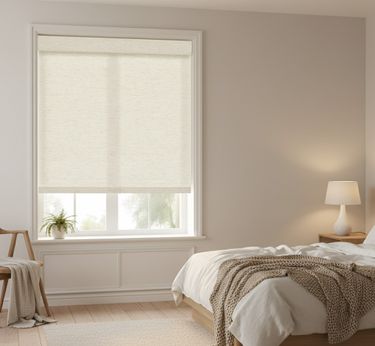
Which Window Shades Block Heat Without Darkening the Room?
When the summer sun is at its peak, your home can quickly transform from a cozy sanctuary into a suffocating, sweltering sauna. Many homeowners feel the immediate sting of rising indoor temperatures and instinctively resort to heavy-duty blackout curtains or dark-colored curtains. While these do reduce heat, they have a significant drawback that is often overlooked: Your living space will become a dark, cavernous environment, forcing you to turn on your home lights in the middle of the sunny day.
The good news is, you don’t have to choose between cooling your home and enjoying natural light. Effective heat control is not about completely blocking light; It's about managing solar energy before it accumulates. At Persilux, we’re sure you’ll find the perfect blackout curtains to ensure your home’s natural light isn’t completely engulfed.
Why Heat Control Matters More in Spring and Summer
As the seasons shift, the intensity and angle of the sun change, making solar heat gain the primary culprit for rising indoor temperatures. When sunlight passes through clear glass, it converts into thermal energy, which is then trapped inside your rooms—a phenomenon known as the greenhouse effect. This puts immense, unnecessary strain on your HVAC system, causing your air conditioning to work overtime and driving your monthly energy bills to new heights.
Beyond the financial impact, excessive heat can make a home feel oppressive and decrease your quality of life. Furthermore, continuous exposure to intense UV rays and infrared heat can cause significant damage to your interior assets, fading hardwood floors, ruining upholstery, and degrading sensitive artwork. The objective for any savvy homeowner should be to filter the sun’s energy while allowing enough visible light to keep your home inviting and functional.
Heat Blocking vs. Light Blocking: What’s the Difference?
Before you begin shopping for custom window treatments, it is essential to distinguish between Heat Blocking and Light Blocking.
- Light Blocking (Blackout): These shades are engineered to stop virtually all visible light from entering a room. They are the ideal choice for bedrooms, nurseries, or media rooms where total darkness is required for restorative sleep or a cinema-quality viewing experience.
- Heat Control: This refers to the ability of a material to reduce the amount of infrared solar energy entering your space. This is achieved through the material’s reflectivity, its weave density, and its engineered ability to dissipate heat before it penetrates the window pane.
Crucially, you can have a shade that allows 20% or more of visible light into a room while blocking up to 80% or 90% of the solar heat. The difference lies in the technology of the fabric and the architecture of the shade itself.
Best Window Shades for Heat Reduction Without Darkness
If you are looking to refresh your home with high-performance window coverings, here are the top three contenders that offer the best balance of cooling and luminosity.
1. Solar Shades
Solar shades are the gold standard for heat reduction in modern architecture. Often referred to as "sunglasses for your windows," these are engineered specifically to filter UV rays and minimize glare while maintaining your view of the outdoors. They allow natural light to diffuse into the room, creating a soft, ambient glow rather than a harsh, uncomfortable glare.
Because these shades are available in various "openness factors," you can precisely control how much light enters. Even a tighter weave can still provide significant brightness compared to a full blackout shade. Explore Persilux’s collection of high-performance roller shades to see how different weave densities can transform your living space.
2. Light-Filtering Cellular Shades
Cellular shades, also known as "honeycomb" shades, are unique because of their physical structure. The trapped air within the cells acts as an excellent insulator, creating a thermal barrier between the window glass and the room. By selecting a "light-filtering" fabric rather than a blackout version, you get the double benefit of excellent insulation and a soft, filtered light that prevents the room from becoming dark, while keeping the heat—or cold—at bay.
3. Sheer or Light-Filtering Roller Shades
For a clean, minimalist, and contemporary look, high-quality light-filtering roller shades are a superb choice. These fabrics are woven to permit light entry while utilizing reflective properties to bounce a portion of the solar radiation away from the glass. They are versatile, easy to operate, and come in a vast variety of colors and opacities to suit your specific daylight needs.
Comparison Table: Which Shade Type Controls Heat Best?
| Shade Type | Heat Reduction | Light Transmission | Best For |
| Cellular Shades | Superior | Moderate/Soft | Energy efficiency & insulation |
| Light-Filtering Rollers | Good | High | Living rooms & offices |
How Fabric Openness and Color Affect Heat Control
When you are researching custom window shades, you will frequently encounter two technical terms that dictate performance: Openness Factor and Color.
The Openness Factor refers to the tightness of the weave in solar fabrics. An openness of 1% means that 1% of light passes through the tiny gaps in the weave, while 99% is reflected or absorbed. For maximum heat reduction in high-intensity areas, a 1% or 3% openness is ideal. If you prioritize more view and light, 5% to 10% is a better fit.
Color is equally critical. Physics dictates that lighter colors naturally reflect more light and energy. A white or light gray shade will bounce a significant portion of the sun’s rays back outside, whereas a dark brown or black shade—even if it is a "solar" fabric—will absorb that heat and radiate it into your room. For the best cooling effect without sacrificing brightness, stick to lighter palettes that brighten the room while fighting the heat.
Best Shades for West- and South-Facing Windows
West- and South-facing windows are the "heat magnets" of your home. They receive the most intense direct sunlight for the longest duration of the day.
- South-Facing: These windows receive consistent, strong sun throughout the day. Light-filtering cellular shades are highly effective here because they provide a continuous, multi-layered insulating barrier throughout the day, keeping the interior temperature stable.
- West-Facing: These windows take the brunt of the late afternoon sun, which is often the most intense heat of the entire day. Solar shades with a low openness factor are generally the best defense against this "low-angle" heat, as they effectively strip the heat from the light before it enters.
When Window Shades Alone Are Not Enough
While high-quality, professionally fitted shades are a powerful tool for energy efficiency, they are not always a silver bullet. If your home features older, single-pane glass, the heat will eventually bypass even the best shades through conduction.
In these cases, consider layering your treatments. A solar shade paired with lightweight decorative drapes can provide an extra layer of UV protection and insulation. Additionally, ensuring your windows are properly sealed with weatherstripping will prevent hot air leaks, significantly improving the overall performance of your window shades.
How to Choose the Right Balance Between Cooling and Daylight
Choosing the right window treatment is a delicate balancing act between utility, energy efficiency, and aesthetics. Start by assessing the specific function of the room:
- Do you have high glare on your computer screens? A low-openness solar shade will cut that glare while keeping the room bright enough for productivity.
- Is the room feeling cold in winter but hot in summer? Opt for light-filtering cellular shades to leverage their unique R-value insulation.
- Are you looking for a modern, clutter-free look? Choose sleek roller shades in a light, reflective color that complements your interior design.
By ordering free samples, you can test how the fabric performs in your specific room's unique lighting conditions before committing to a full order. Seeing how the light plays through the fabric at different times of the day is the best way to ensure you are making a decision you will be happy with for years to come.
Conclusion
You don't have to live in the dark just to stay cool. By investing in the right window technology, you can enjoy the aesthetic benefits of natural light while significantly reducing the solar heat gain that drives up your energy bills. Whether you choose the technical precision of custom solar shades or the insulating comfort of cellular blinds, the right treatment is an investment that pays for itself in both comfort and efficiency.
For those ready to take the next step in upgrading their home environment, explore the range of customizable options at Persilux to find the perfect blend of style, light, and climate control for your space.
References:
U.S. Department of Energy - Energy Efficient Window Coverings.
U.S. Department of Energy, Building America Solution Center. Window Attachments for Solar Control and Energy Efficiency. Pacific Northwest National Laboratory (PNNL).

Copyright © 2024 Persiluxhome